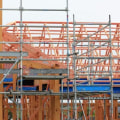
Timber framing depends on a stable foundation to maintain proper alignment and distribute structural loads evenly. Beams, posts, joists, and wall framing are designed to work together as a connected system, but uneven settlement beneath the structure can place additional stress on these components. When one part of the foundation moves more than another, timber framing may shift, twist, or become misaligned over time. Proper foundation support helps create a consistent base that allows framing components to perform as intended and reduces the risk of structural problems developing throughout the building.
Distributing Structural Loads Evenly
A foundation is responsible for transferring the weight of the building into the soil below. When support is uneven, certain sections of timber framing may be forced to carry more weight than originally designed. This can contribute to sagging floors, cracked finishes, or changes in wall alignment. Professionals such as Bats Foundation Repair can evaluate whether foundation settlement or inadequate support is contributing to uneven loading before repairs to framing or interior finishes are completed. Addressing the support system first can help create better conditions for long-term structural stability.
Preventing Beams and Joists From Shifting
Floor beams and joists rely on stable supports to remain level. If piers, footings, or other foundation components settle, the timber above them may begin to sag or shift. Over time, homeowners may notice uneven flooring, gaps between floors and baseboards, or doors that no longer close properly. Proper foundation stabilization can help restore more consistent support beneath framing members. In some cases, damaged or weakened timber may also require reinforcement after the foundation has been corrected.
Reducing Stress on Timber Connections
Timber framing includes numerous joints, fasteners, brackets, and connection points that help hold the structure together. Uneven settlement can pull or compress these connections as different sections of the building move independently. Repeated stress may loosen fasteners, create gaps at joints, or cause framing members to move out of their intended positions. A stable foundation reduces unnecessary movement and allows these connections to remain more consistent over time.
Protecting Walls and Openings
Foundation settlement can also affect timber-framed walls. When framing shifts, door and window openings may become slightly out of square. This can result in sticking doors, difficult-to-operate windows, or gaps around frames. Drywall and trim attached to timber framing may crack or separate as well. Stabilizing the foundation before repeatedly adjusting doors, windows, or finishes can help address the underlying source of movement rather than only correcting visible symptoms.
Managing Moisture Around Timber Structures
Foundation support and moisture control are closely connected. Poor drainage or plumbing leaks can affect soil beneath the foundation while also exposing timber framing to damp conditions. Excess moisture can weaken wood, contribute to deterioration, and create additional structural concerns. Gutters, grading, drainage systems, and crawl space conditions should be monitored so both the foundation and timber framing remain protected.
Inspect Framing After Foundation Repair
After significant foundation stabilization, timber framing should be checked for secondary damage. Contractors may need to inspect beams, joists, posts, and connections for cracks, movement, or areas that require reinforcement. Floors and wall openings can also be evaluated to determine whether adjustments are necessary.
Create a More Stable Structural System
Proper foundation support provides the stable base that timber framing needs to perform reliably. By reducing uneven settlement, distributing loads more consistently, protecting connections, and managing moisture, homeowners can limit unnecessary stress on wood structural components. Addressing foundation concerns before repairing visible framing damage can also help prevent recurring problems and support a more durable, balanced structure over the long term.