Timber frame homes have long been admired for their distinctive craftsmanship, natural materials, and timeless architectural appeal. Known for their exposed wooden beams, durable construction, and warm aesthetic, these homes often create a strong connection between indoor comfort and the surrounding environment. While structural integrity and interior design are important components of timber frame construction, exterior harmony plays an equally critical role in defining the overall character and long-term appeal of the home. A cohesive exterior design helps ensure that every architectural element works together visually, creating balance, enhancing curb appeal, and preserving the natural beauty that makes timber frame homes so unique.
Exterior harmony refers to the way materials, colors, textures, and architectural features complement one another across the property. In timber frame construction, where natural wood often serves as a dominant visual feature, achieving this balance becomes especially important. Poorly coordinated exterior elements can disrupt the home’s rustic elegance and diminish the visual impact of the craftsmanship itself. On the other hand, thoughtful design choices can enhance the home’s natural character while creating a more inviting and polished appearance.
Balancing Natural Materials and Architectural Features
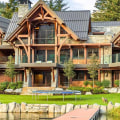
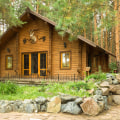
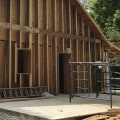
One of the defining characteristics of timber frame homes is the use of exposed wood structures that create warmth and visual depth. These natural materials often become the focal point of the exterior, making it important for surrounding design elements to support rather than compete with the timber framework. Roofing materials, stone accents, siding finishes, windows, and entryways should all work together to reinforce the home’s architectural identity.
Color coordination plays a significant role in maintaining this balance. Earth tones, natural wood stains, and muted exterior palettes are commonly used in timber frame construction because they blend well with natural surroundings and highlight the beauty of exposed beams. Contrasting colors can still be incorporated thoughtfully, but the overall goal is usually to create a cohesive appearance that feels connected to both the landscape and the home’s structural design.
Stonework is another common feature in timber frame homes and often serves as an anchor that complements wooden elements. Whether used on foundations, chimneys, or entryway columns, stone accents help create texture and visual stability. Coordinating these materials carefully contributes to a seamless exterior design that feels balanced and intentional.
Windows, Entryways, and Visual Flow
Windows and entryways are essential components of exterior harmony because they influence both functionality and architectural flow. Timber frame homes often feature large windows designed to maximize natural light and showcase scenic views. The placement, trim style, and proportions of these windows must align with the home’s structural lines to preserve visual consistency.
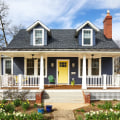
Entryways also play an important role in defining the home’s personality and welcoming atmosphere. Front doors, covered porches, lighting fixtures, and walkways should complement the rustic and natural aesthetic associated with timber frame construction. A cohesive entryway design helps create a strong first impression while reinforcing the home’s architectural style.
Garage doors are another highly visible feature that can significantly impact exterior harmony. Because garages often occupy a substantial portion of the home’s façade, selecting styles and finishes that blend naturally with timber framing is essential. Companies such as Gecko Garage Doors contribute to helping homeowners choose garage door designs that support both the functional needs and aesthetic goals of timber frame construction.
The Relationship Between Exterior Harmony and Property Value
A well-designed exterior not only improves visual appeal but also contributes to long-term property value. Homes with cohesive architectural elements often create stronger impressions on visitors and potential buyers because they appear more thoughtfully planned and professionally maintained. Exterior harmony reflects attention to detail and reinforces the craftsmanship associated with high-quality timber frame construction.
Maintaining visual consistency can also help homes age more gracefully over time. Coordinated materials and finishes tend to remain attractive longer because they support a timeless aesthetic rather than relying on temporary design trends. This is especially important for timber frame homes, which are often valued for their enduring architectural character and connection to traditional craftsmanship.
Creating a Strong Connection With the Environment
Timber frame homes are frequently built in scenic or natural settings where exterior harmony extends beyond the home itself and into the surrounding environment. Landscaping, outdoor living spaces, pathways, and exterior lighting all contribute to how the property integrates with its surroundings. Thoughtful design choices help create a seamless transition between the structure and nature, enhancing both beauty and livability.
By prioritizing exterior harmony, homeowners can preserve the distinctive charm of timber frame construction while creating homes that feel balanced, welcoming, and visually connected. Every exterior element, from windows and roofing to garage doors and landscaping, contributes to the overall experience and long-term appeal of the property.