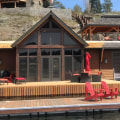
Timber frame construction is known for its strength, craftsmanship, and exposed structural elements, which create both aesthetic appeal and engineering considerations. Unlike conventional builds, timber frame homes often feature open designs with visible beams, requiring careful planning when integrating essential systems like plumbing. Because these structures rely on precision and long-lasting materials, plumbing must be incorporated in a way that preserves structural integrity while supporting modern functionality. Proper coordination ensures that water supply and drainage systems work efficiently without compromising the beauty or stability of the timber framework.
Planning Plumbing Layouts Around Structural Elements
One of the key challenges in timber frame construction is designing plumbing layouts that fit seamlessly within the structure. Beams and posts must remain intact, so plumbers and builders must carefully route pipes through designated spaces without cutting into load-bearing components. This often involves creative planning, such as using interior walls, chases, or floor systems to conceal pipes. Collaborating with experienced professionals, including a trusted local plumber, ensures that plumbing systems are strategically placed to avoid structural conflicts while maintaining accessibility for future maintenance.
Protecting Wood from Moisture and Damage
Moisture control is especially important in timber frame homes, as wood is highly susceptible to damage from water exposure. Plumbing systems must be installed with precision to prevent leaks, condensation, and humidity buildup that could compromise the structural integrity of the timber. Proper sealing, insulation, and ventilation help protect wooden components from moisture-related issues such as rot or mold. By addressing these factors during installation, homeowners can preserve the longevity and durability of their timber frame structure.
Ensuring Efficient Water Flow and Drainage
Efficient plumbing systems are essential for maintaining the functionality of any home, including timber frame constructions. Proper pipe sizing, slope, and placement ensure consistent water flow and effective drainage. In timber frame homes, where design flexibility may be limited by structural elements, careful planning is required to maintain optimal performance. Ensuring that pipes are correctly aligned and supported helps prevent issues such as clogs, leaks, or pressure imbalances, contributing to a reliable and efficient system.
Supporting Modern Amenities and Comfort
Despite their traditional construction style, timber frame homes are often equipped with modern amenities that rely on advanced plumbing systems. Kitchens, bathrooms, and laundry areas require precise integration of water lines and fixtures to function effectively. Coordinating plumbing with other systems, such as HVAC and electrical, ensures that all components work together to provide a comfortable living environment. This integration allows homeowners to enjoy the benefits of modern convenience while maintaining the unique character of their timber frame home.
Facilitating Maintenance and Future Upgrades
Proper plumbing integration also supports long-term maintenance and potential upgrades. Accessible pipe routing and well-planned layouts make it easier to inspect, repair, or modify systems as needed. This is particularly important in timber frame homes, where structural elements can limit access if not planned correctly. By considering future needs during the initial installation, homeowners can avoid costly modifications and ensure that their plumbing system remains adaptable over time.
Achieving a Balance Between Tradition and Functionality
Ultimately, integrating plumbing systems into timber frame construction requires a balance between preserving traditional craftsmanship and meeting modern functional needs. Through careful planning, collaboration, and attention to detail, builders and plumbers can create systems that support both the structural integrity and daily usability of the home. This thoughtful approach ensures that timber frame homes remain durable, efficient, and comfortable for years to come.