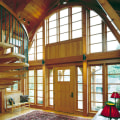
Timber frame houses are celebrated for their strength, durability, and architectural beauty, but they also offer unique advantages when it comes to accommodating hidden plumbing systems. Unlike conventional stick-built homes, timber frame structures rely on large wooden beams and posts to carry loads, which reduces the need for interior load-bearing walls. This open structural design creates flexible spaces within walls, floors, and ceilings, making it easier to integrate plumbing systems without compromising the home’s aesthetic appeal. As a result, homeowners can enjoy both exposed wood features and modern conveniences without visible pipes disrupting the design.
Designing Concealed Plumbing Pathways
One of the key considerations in timber frame construction is the thoughtful planning of mechanical systems, including plumbing. Because the primary structure is composed of large beams, builders often incorporate secondary framing or service cavities specifically for routing pipes and utilities. These cavities allow plumbing lines to run discreetly behind walls or beneath floors, keeping them hidden from view. In some designs, raised floors or dropped ceilings are used to create additional space for pipes, ensuring accessibility for maintenance while maintaining a clean, uncluttered interior. This strategic approach ensures that plumbing systems are both functional and visually unobtrusive.
Coordination Between Builders and Plumbing Experts
Successfully integrating hidden plumbing systems in timber frame homes requires close collaboration between architects, builders, and plumbing professionals. Early planning is essential to avoid cutting into structural beams, which could compromise the integrity of the home. Professionals, including a plumber in Raleigh, understand how to navigate these constraints by designing efficient layouts that work within the framework of the structure. They carefully plan pipe routes, select appropriate materials, and ensure compliance with building codes, all while preserving the visual impact of exposed timber elements. This level of coordination helps prevent costly modifications later in the construction process.
Balancing Aesthetics and Functionality
Timber frame homes are often chosen for their rustic charm and open, airy interiors, which makes concealing modern systems especially important. Hidden plumbing allows homeowners to maintain the natural beauty of wood beams and vaulted ceilings without sacrificing convenience. Fixtures can be strategically placed to align with concealed piping, while access panels are discreetly incorporated for future repairs. This balance between aesthetics and functionality is a defining feature of well-designed timber frame homes, allowing them to meet contemporary living standards while preserving their traditional appeal.
Long-Term Efficiency and Maintenance Benefits
In addition to visual advantages, hidden plumbing systems in timber frame houses contribute to long-term efficiency and ease of maintenance. Properly planned systems reduce the risk of leaks and improve water flow by minimizing unnecessary bends and connections. Service cavities and accessible design elements make it easier for professionals to perform inspections or repairs without extensive demolition. Over time, this thoughtful integration supports the longevity of both the plumbing system and the structure itself. By combining careful engineering with expert craftsmanship, timber frame homes demonstrate how traditional building methods can seamlessly accommodate modern infrastructure needs.