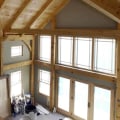
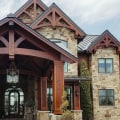
Timber frame homes are known for their strength, natural beauty, and architectural flexibility, making them an excellent choice for energy-efficient design. The exposed wood beams create a distinctive aesthetic while allowing for open floor plans and large windows that maximize natural light. Beyond their visual appeal, timber frame structures can be highly efficient when designed with modern building techniques and materials. By combining traditional craftsmanship with advanced energy solutions, homeowners can create a space that is both sustainable and comfortable.
Maximizing Insulation and Thermal Performance
One of the key factors in designing an energy-efficient timber frame home is proper insulation. Unlike conventional construction, timber frame homes often use structural insulated panels (SIPs) or other advanced insulation systems to create a tight building envelope. These materials help minimize heat transfer, keeping the home warm in winter and cool in summer. Proper insulation reduces energy consumption and ensures consistent indoor temperatures, making the home more efficient and cost-effective to maintain.
Incorporating Efficient Electrical Systems
Energy efficiency also depends on the performance of the home’s electrical system. Modern timber frame homes often include energy-efficient lighting, smart home technology, and optimized wiring layouts to reduce power usage. Upgrading systems such as home rewiring in McKinney TX can ensure that the electrical infrastructure supports energy-saving devices and meets current standards. Proper electrical planning allows homeowners to integrate renewable energy sources, such as solar panels, further enhancing efficiency and sustainability.
Utilizing Natural Light and Ventilation
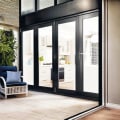
Timber frame homes are well-suited for designs that maximize natural light and airflow. Large windows and open layouts allow sunlight to penetrate deep into the living space, reducing the need for artificial lighting during the day. Strategic placement of windows and vents also promotes natural ventilation, improving indoor air quality and reducing reliance on mechanical systems. These design elements contribute to a healthier and more energy-efficient living environment.
Choosing Sustainable Materials and Finishes
Sustainability is a central consideration in energy-efficient timber frame design. Using responsibly sourced wood and eco-friendly materials helps reduce the environmental impact of construction. Finishes such as low-VOC paints and energy-efficient windows further enhance the home’s performance. Selecting durable materials also ensures that the home requires less maintenance over time, contributing to long-term sustainability.
Integrating Heating and Cooling Solutions
Efficient heating and cooling systems are essential for maintaining comfort in a timber frame home. Options such as radiant floor heating, high-efficiency HVAC systems, and heat pumps can be integrated into the design to optimize performance. Proper system sizing and installation ensure that energy is used effectively, reducing waste and lowering utility costs. Combining these systems with smart controls allows homeowners to manage energy use more efficiently.
Creating a Balanced and Efficient Living Space
Ultimately, designing an energy-efficient timber frame home involves a holistic approach that considers insulation, electrical systems, natural light, and sustainable materials. By carefully planning each element and integrating modern technologies, homeowners can create a space that is both environmentally responsible and comfortable. This thoughtful design approach ensures that timber frame homes deliver lasting value, combining traditional craftsmanship with modern efficiency for a truly optimized living environment.